
UK and European Destinations
Country and city pages with the main sights, the best season, how many days to allow and the private tours that include each place.
United Kingdom
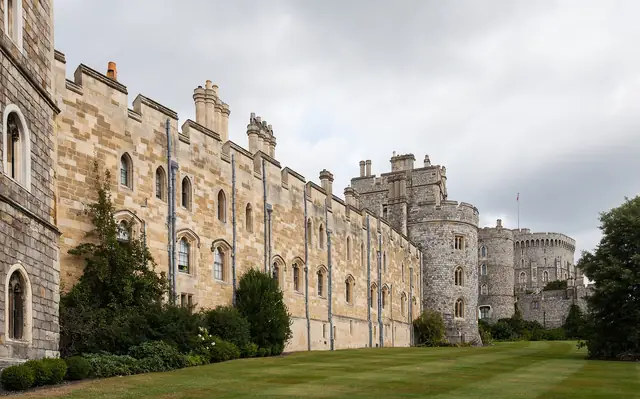
The United Kingdom is England, Scotland, Wales and Northern Ireland. England means London, Oxford and Cambridge, Bath and the Cotswold villages; Scotland adds Edinburgh’s Old Town and the lochs and glens of the Highlands; Wales is known for castles and national parks. Traffic drives on the left and country lanes are narrow, so a private driver saves a lot of effort.
Ireland
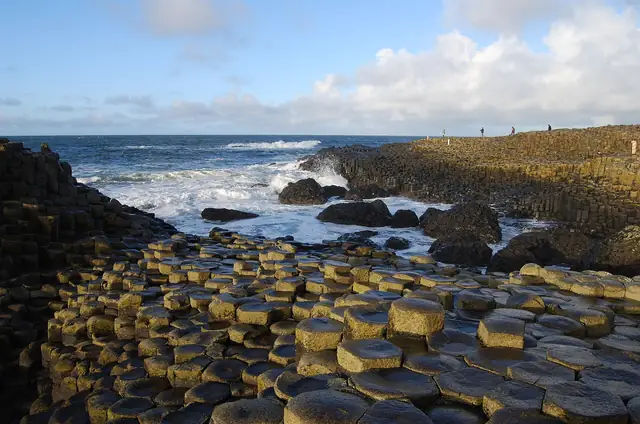
Ireland faces the Atlantic with a ragged coastline, green pasture and ruined castles everywhere. Dublin is a city of writers and pubs; the west coast has the Cliffs of Moher, the Burren and Galway; the Ring of Kerry in the south is the classic scenic drive. The Giant’s Causeway in Northern Ireland is often combined with the Republic.
France
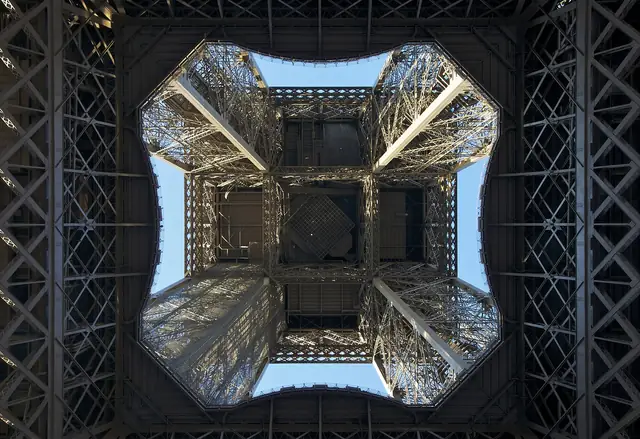
The classic French trip is Paris plus one region: the châteaux of the Loire Valley, Mont-Saint-Michel in Normandy, lavender and hill villages in Provence, Nice and Monaco on the Riviera, or the half-timbered towns of Alsace. Take the TGV between regions and a car within them.
Italy
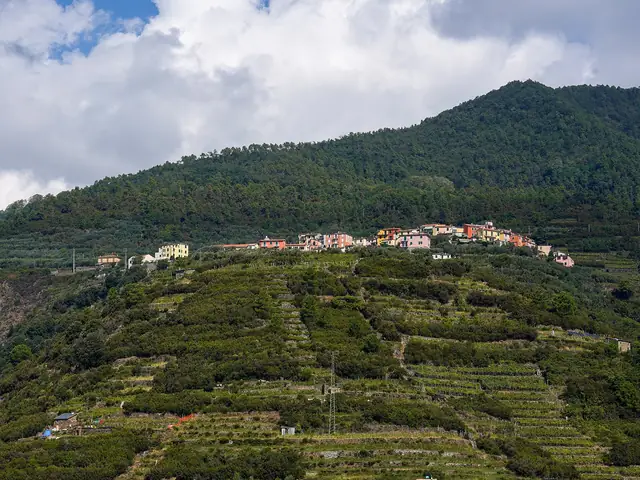
A first trip to Italy usually follows Rome, Florence and Venice, then adds Tuscany’s countryside, the Cinque Terre, the Amalfi Coast or the Dolomites. High-speed trains link the big cities quickly; historic centres are mostly restricted traffic zones (ZTL), so a car is most useful in the countryside and along the coasts.
Switzerland
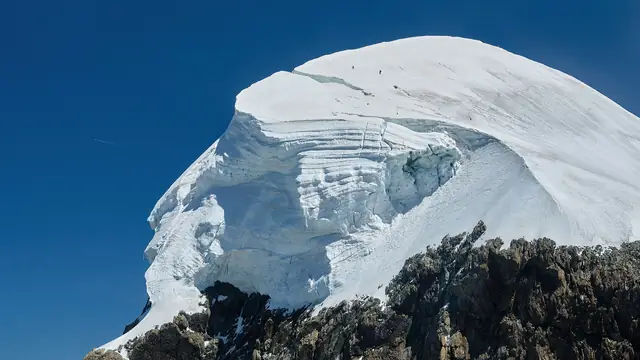
Switzerland is small but its mountain transport is intricate: the Jungfrau, the Matterhorn and Titlis are reached by cog railways and cable cars. The usual route enters at Zurich or Geneva and links Lucerne, Interlaken, Zermatt and Montreux. A car handles luggage and connections between towns; the mountain sections use local trains and lifts.
Germany
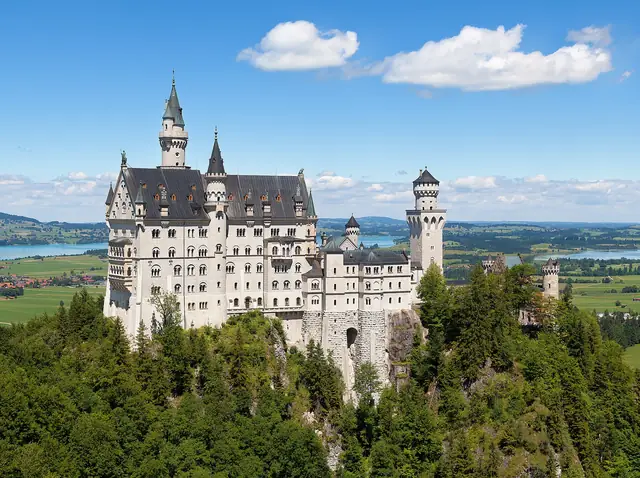
Germany works best as cities plus small towns: Bavaria in the south has Munich, Neuschwanstein and the Alpine foothills; the Romantic Road links medieval towns such as Rothenburg; the south-west has Heidelberg and the Black Forest; the north has Berlin, Hamburg and Dresden. The motorway network makes cross-country driving easy.
Austria
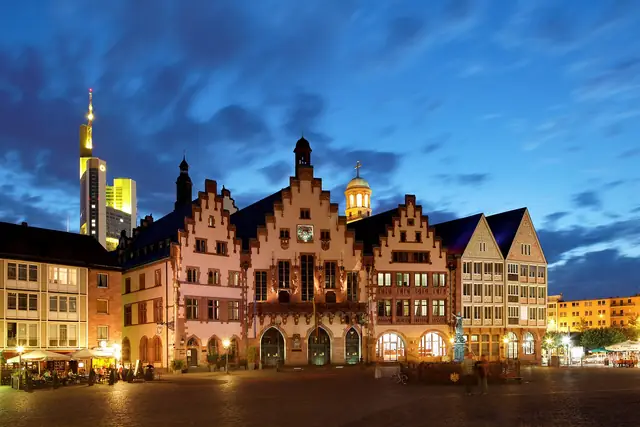
Austria is often combined with southern Germany, Switzerland or Czechia. Vienna has the Habsburg palaces and concert halls; Salzburg is Mozart’s birthplace; the Salzkammergut lake district holds lakeside villages such as Hallstatt; Innsbruck sits in an Alpine valley in the west.
Spain
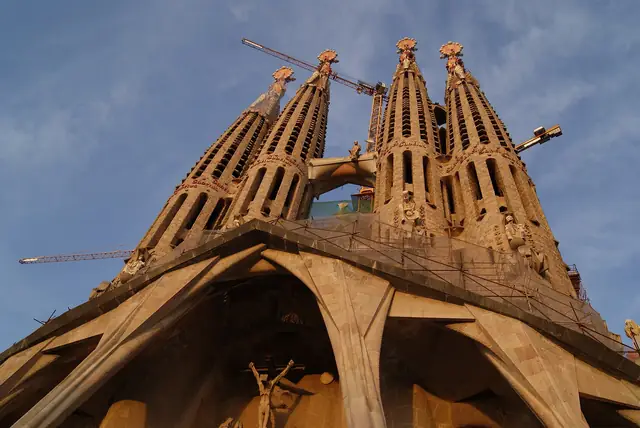
Spain has Gaudí’s Barcelona in the north-east, Madrid’s galleries and old Toledo in the centre, and Andalusia in the south with Seville, the Alhambra in Granada and the white villages. AVE high-speed trains link the cities; a car is easier for rural Andalusia.
Portugal
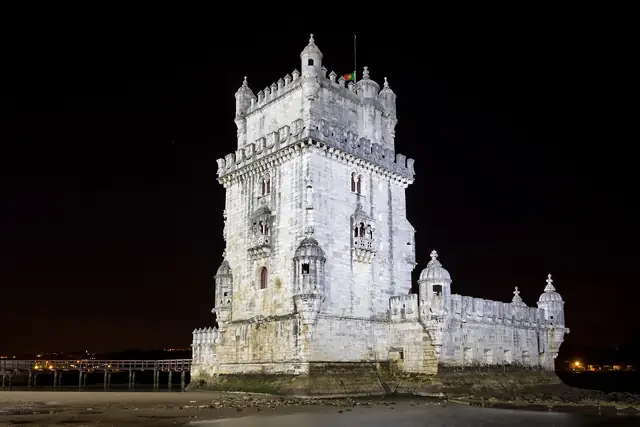
Portugal is long and narrow: Lisbon and Sintra in the centre, Porto and the Douro Valley wine country in the north, the Algarve’s cliffs and beaches in the south. It is often combined with Spain.
Netherlands
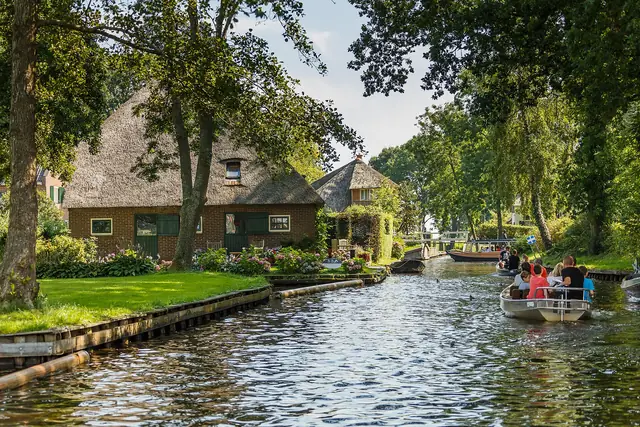
Distances are short, so the Netherlands is often combined with Belgium, Germany or France. Amsterdam’s canal ring is a World Heritage Site; outside the city are windmill villages, Giethoorn and, in spring, the tulip gardens.
Czechia
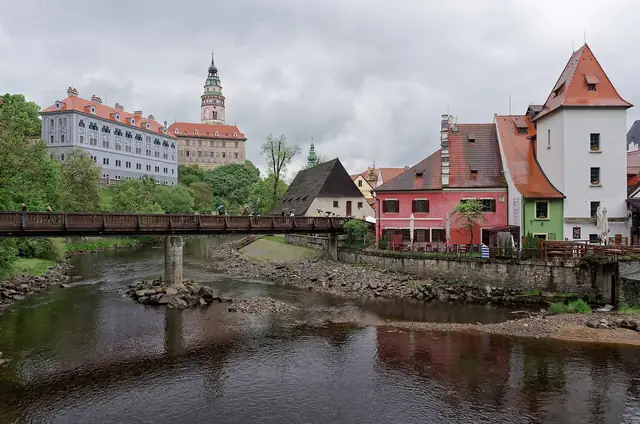
Czechia centres on Prague, with Český Krumlov in the south and the spa town of Karlovy Vary in the west. It is often combined with Austria and southern Germany.
Nordic Countries
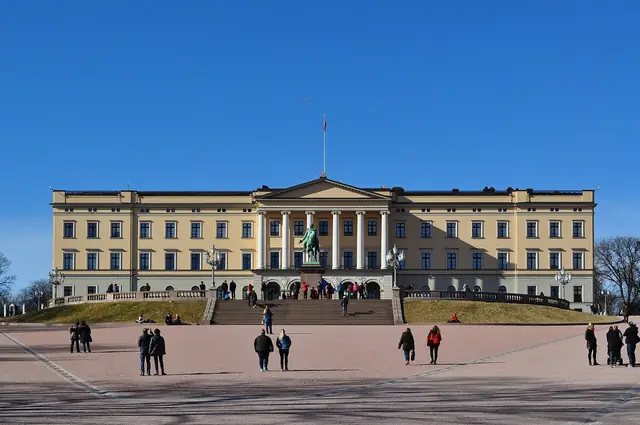
The Nordic countries are Norway, Sweden, Denmark, Finland and Iceland. Summer is for the Norwegian fjords and the Iceland ring road; winter is for aurora hunting in Finnish Lapland, Tromsø or Iceland. Ferries and domestic flights are often needed, so allow time for connections.